
Program overview
Over 70% of Australian species remain undescribed, largely due to a shortage of taxonomists, limited research funding, and rising extinction rates. DNA barcoding is transforming species identification by providing a fast, accurate, and standardised method for classifying organisms.
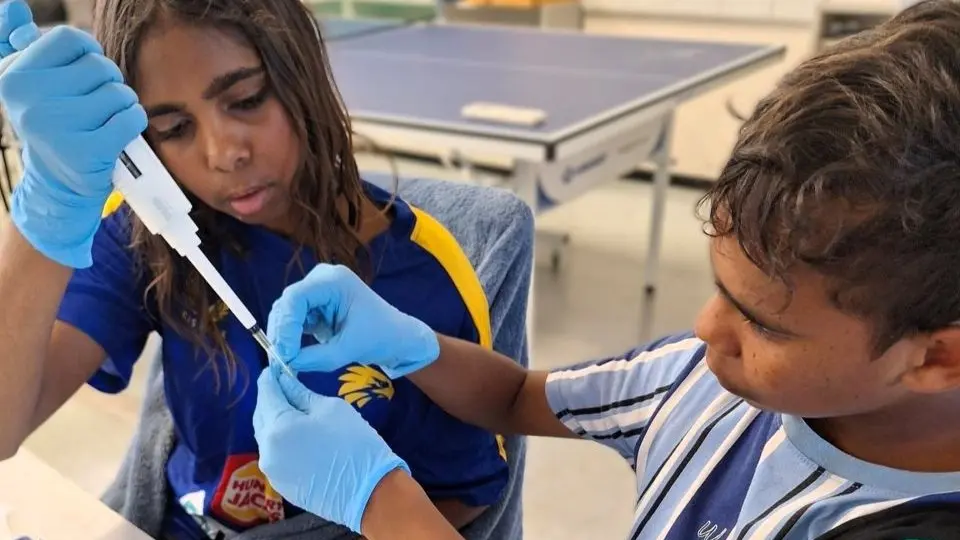
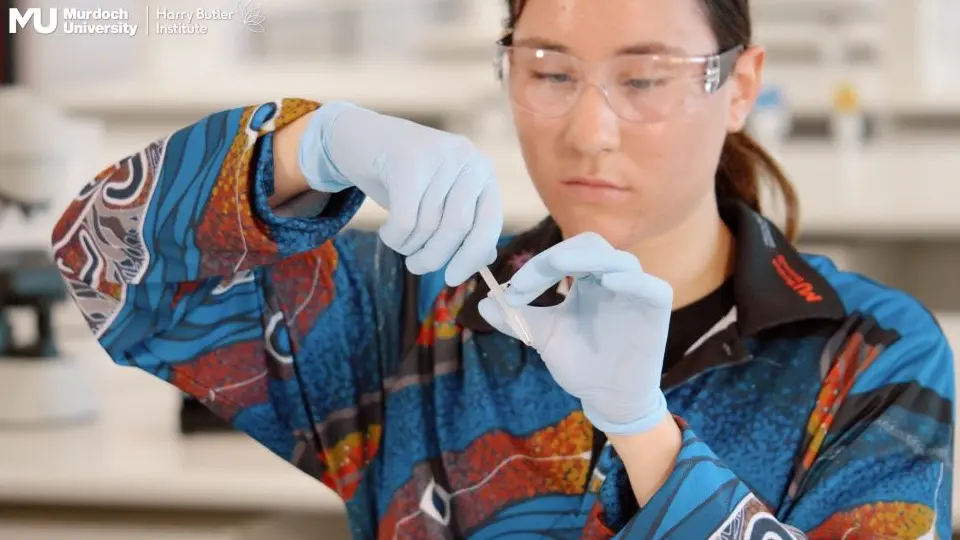
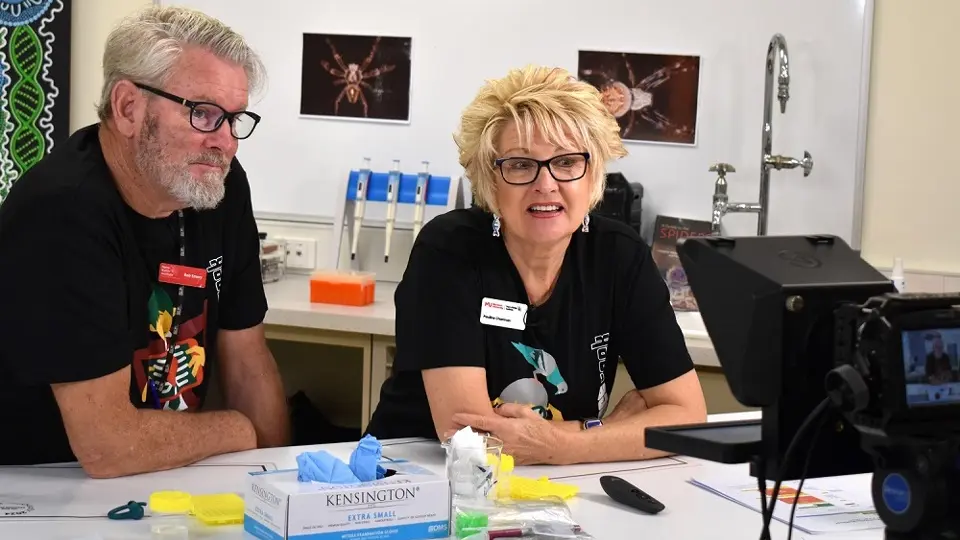
The WA Barcode Blitz, a citizen science initiative by the Harry Butler Institute in partnership with BioBarcode Australia, gives students the opportunity to contribute to national biodiversity databases. Guided by biotechnologist Pauline Charman and HBI expert scientists, students engage in specimen collection, DNA processing, genetic sequencing, and bioinformatics analysis. They also learn ethical collection methods and gain insights into identifying insects, plants, fungi, and other organisms using cutting-edge scientific methods and expert knowledge.
Key features of the program
- Authentic STEM Experience – Students engage in real scientific research, using DNA barcoding to identify species and explore genetics, biodiversity, and conservation science.
- Curriculum-Aligned Learning – Supports Science inquiry skills, Biological sciences, and cross-curricular priorities.
- Hands-On Science – Students ethically collect samples, document specimens, process DNA, and submit them for sequencing in a research lab.
- Statewide Access – Open to metro and regional WA schools, with live-streamed options for remote participation.
- Integrated Resources – Includes teacher guides, an instructional video, related HBI resources, and lab equipment kits for easy classroom implementation.
- Real-World Impact – Students contribute to a growing biodiversity database, with successful records added to the Atlas of Living Australia.
- Digital Documentation – Supports iNaturalist, promoting citizen science environmental observation, and ICT (Information and Communication Technology) curriculum requirements.
- STEM Career Pathways – Introduces students to genetics, molecular biology, bioinformatics, conservation, and taxonomy.
- Proven Success and Impact – Has been successfully piloted in Government and non-Government schools across metro and regional WA since 2021. The program enlightened students on previously unknown career pathways and ignited interest in this fascinating scientific niche.
Curriculum links
The WA Barcode Blitz links to the lower and senior secondary school curriculum as outlined in the downloadable document: WA Barcode Blitz - Curriculum Links.
Program details
Suitability
- Year 10 science students
- Lower school (Year 8-9) extension classes
- Year 11 and 12 Biology ATAR students
Duration
Two to three-day commitment (5-6 hours).
Availability
Currently taking bookings for National Science Week 2026 from schools across regional and metropolitan WA.
Cost
Offered free as part of National Science Week.
Enquiries
Please register your interest in the program below.
Program supporters
The WA Barcode Blitz was created by BioBarcode Australia and is delivered through the Murdoch University Harry Butler Institute with support from Promega Australia, Fisher Biotec Australia, and the Australian Genome Research Facility.
Delivery of the project within regional WA is achieved with support from the Western Australian Museum Geraldton, and the Northern Agricultural Catchments Council (NACC).



Case study: WA Barcode Blitz (2024-2025)
State-wide citizen science connecting students to real-world biodiversity discovery
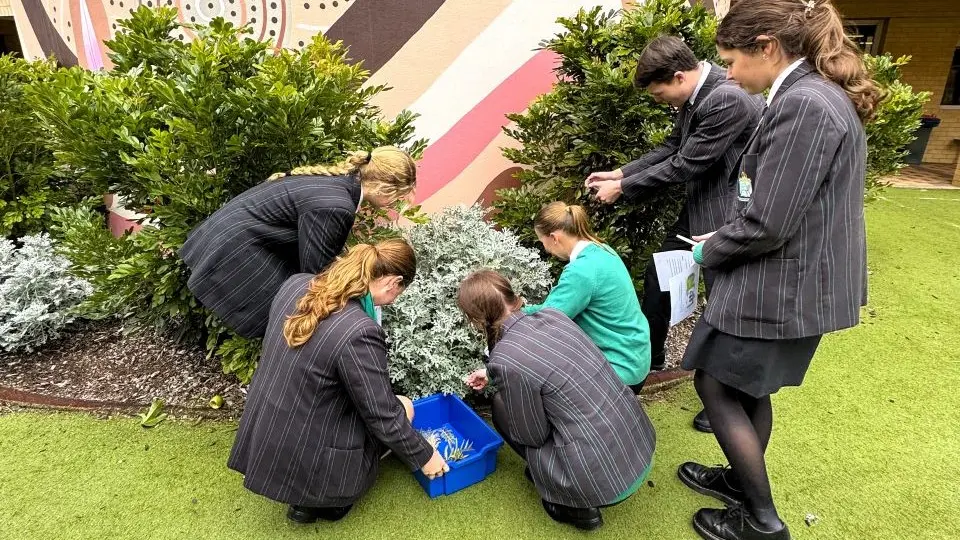
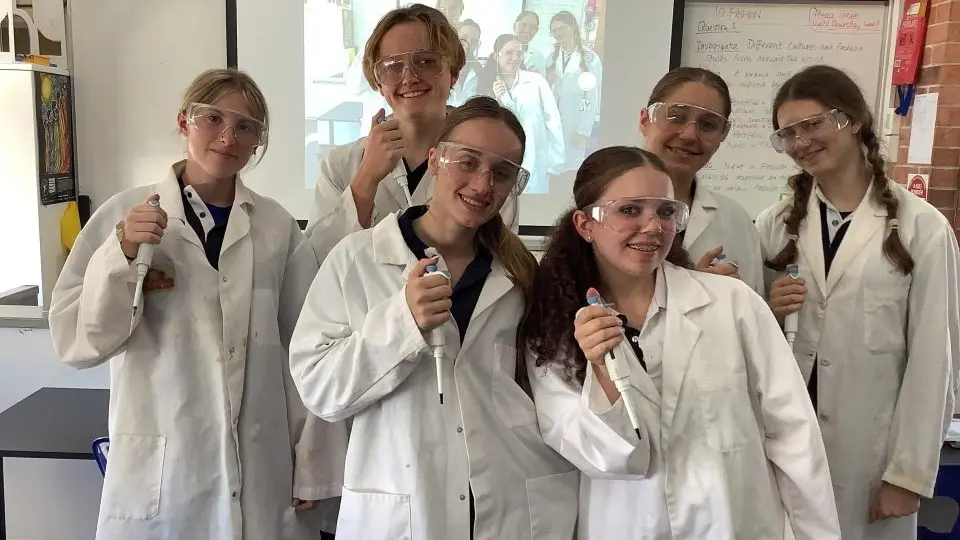

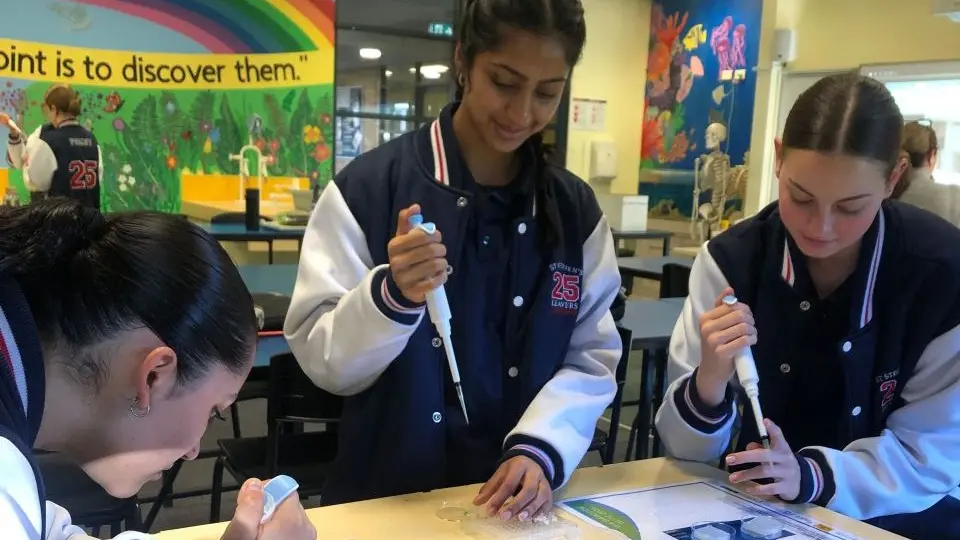
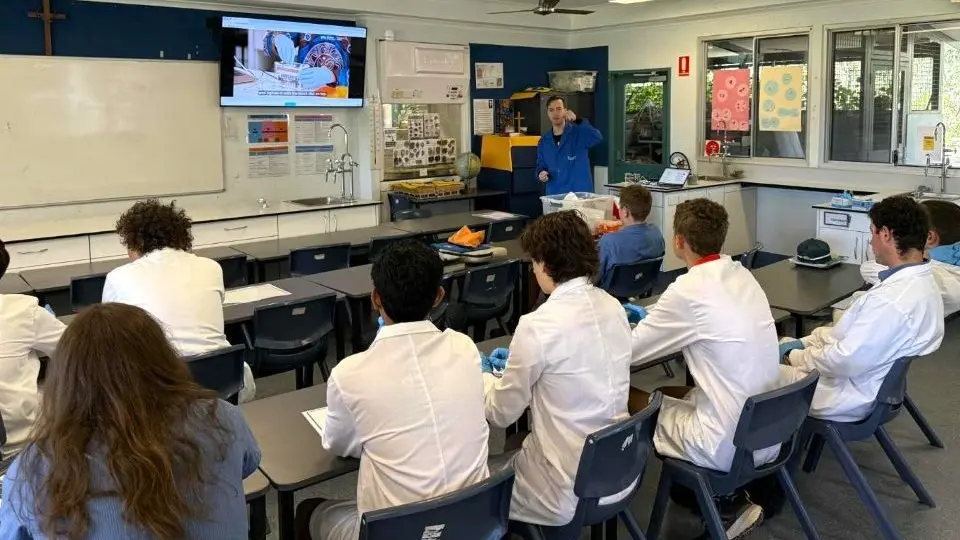
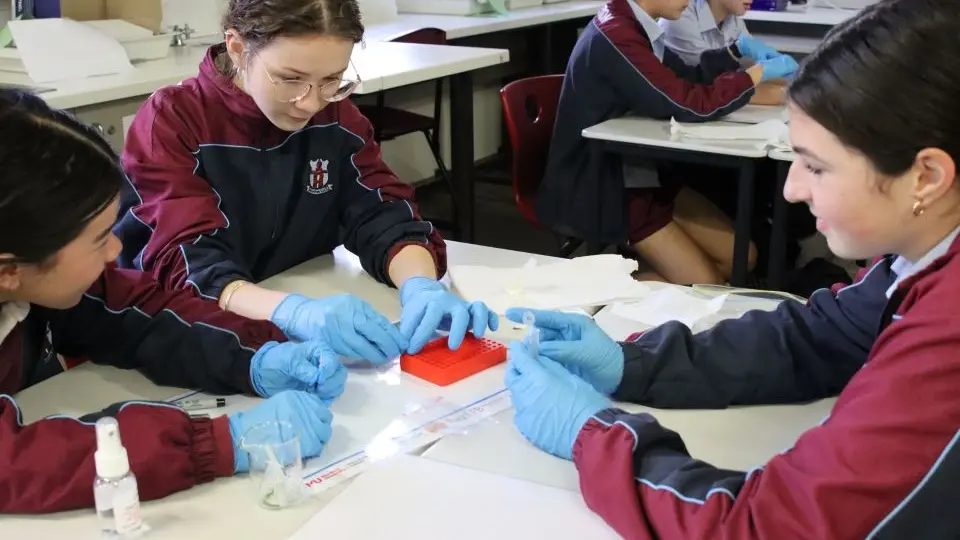
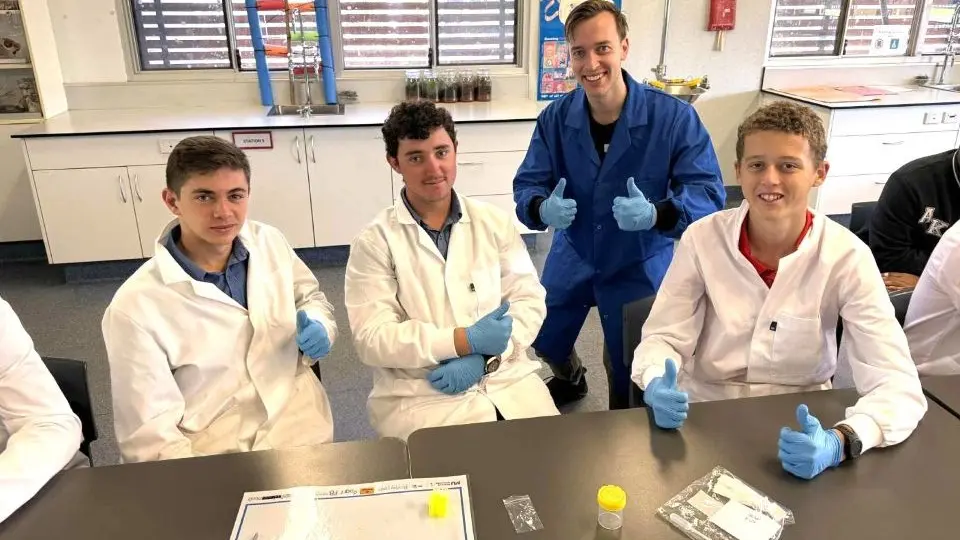
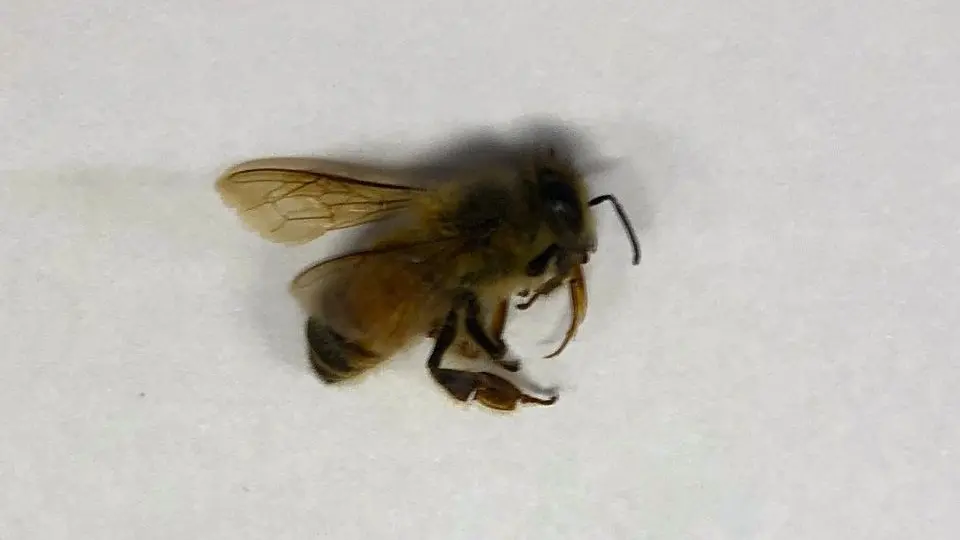
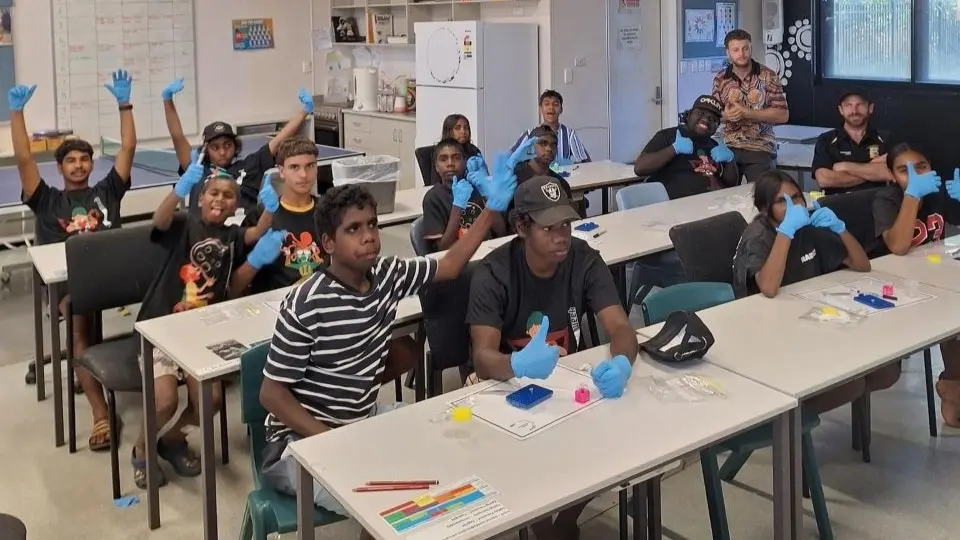
The WA Barcode Blitz is a flagship citizen science initiative led by BioBarcode Australia in partnership with the Murdoch University Harry Butler Institute. Created to bring authentic DNA barcoding into classrooms and communities across Western Australia, the program has grown rapidly—from a small pilot in remote regions in 2024 to a large, state-wide educational experience in 2025.
2024: A First-of-its-Kind Remote Community Pilot
The inaugural WA Bug Barcode Blitz 2024 engaged 108 participants across Kalumburu, Looma, Leonora, Albany, and Geraldton, delivered via a multi-site live stream. Despite participants being younger than expected (some just 8–12 years old), engagement was exceptional. Students ethically collected invertebrates, prepared real DNA samples, and heard directly from HBI scientists.
From the 31 samples submitted, ~33% produced viable DNA sequences, allowing participants to contribute to genuine species identification. The event was delivered with support from the Australian Govenment's Inspiring Australia grants program, and in-kind support from Promega Australia, Fisher Biotec Australia, and the Australian Genome Research Facility. It also established new partnerships with the WA Museum Geraldton, NACC NRM, the Two-Way Science Program, SIDE, and several regional schools—laying the foundation for statewide expansion.
2025: Expansion to 16 Schools Across WA
2025, the Blitz scaled dramatically to include 16 schools, including six regional and remote sites from Christmas Island to Esperance. Promega Australia and Fisher Biotec continued their support, ensuring students used world-class biotechnology tools. Sequencing outcomes improved markedly: 50% of the 100 student samples produced valid sequences, demonstrating improved protocols, stronger school readiness, and maturing program logistics.
For many students, this was their first time contributing to a real genetic database—an experience typically reserved for tertiary or research labs. Teachers reported increased student curiosity, confidence in handling scientific tools, and a deeper understanding of Western Australia’s biodiversity.
Scientific, Educational, and Community Impact
Across both years, the WA Barcode Blitz has:
- Delivered accessible, curriculum-linked biotechnology experiences to metro, regional, and remote communities.
- Built strong partnerships with industry and research organisations, including AGRF, Promega Australia, Fisher Biotec, Murdoch University Comms, and WA Museum networks.
- Demonstrated measurable scientific outcomes with over 40 valid DNA barcodes generated by students, contributing to biodiversity knowledge in WA.
- Fostered environmental stewardship by teaching ethical specimen collection, correct permitting processes, and the importance of genetic identification.
- Inspired students to pursue STEM pathways and positioned citizen science as a powerful educational tool.
Looking forward
The success of 2024–2025 has positioned the WA Barcode Blitz as a signature program for the Harry Butler Education Hub. With established partnerships and strong demand from schools, the Blitz is now primed to grow annually—offering young Western Australians the opportunity to contribute meaningfully to biodiversity science while learning cutting-edge molecular techniques.