
Revolutionising healthcare through Personalised Medicine
Our team of researchers and health professionals, drawn from diverse fields, is united in a shared commitment to advancing personalised medicine - the development of innovative treatments tailored to addressing the specific needs of individual patients, needs that are largely determined by a person’s unique genetic makeup and lifestyle.
We believe personalised medicine has the power to revolutionise healthcare, offering solutions to today’s most pressing diseases in ways that could one day have the same transformative impact as antibiotics had on infectious diseases.
The centre’s core research areas
At the Personalised Medicine Centre, our research spans a broad spectrum of critical healthcare challenges. Our diverse research teams are advancing work in areas such as genetic therapies, genomics, motor neurone disease, sepsis, cognitive health, and neurodegenerative disorders such as Parkinson’s disease, myositis, and multiple sclerosis.
We also explore the health benefits of exercise, health economics, mathematical modelling of biological processes,
and wound healing.
Since its establishment in 2019, the Centre has made significant strides towards becoming a leading multi-disciplinary research centre, equipped with the depth and breadth of expertise to tackle some of the most pressing issues facing healthcare today. The Centre's ability to adapt and respond to evolving needs is exemplified by the success of its research on COVID-19-related issues, which resulted in new testing techniques and novel therapeutics.
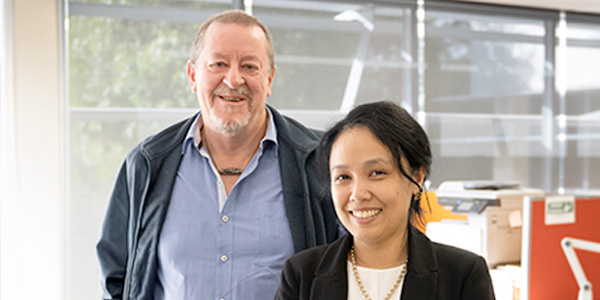
Molecular Therapy
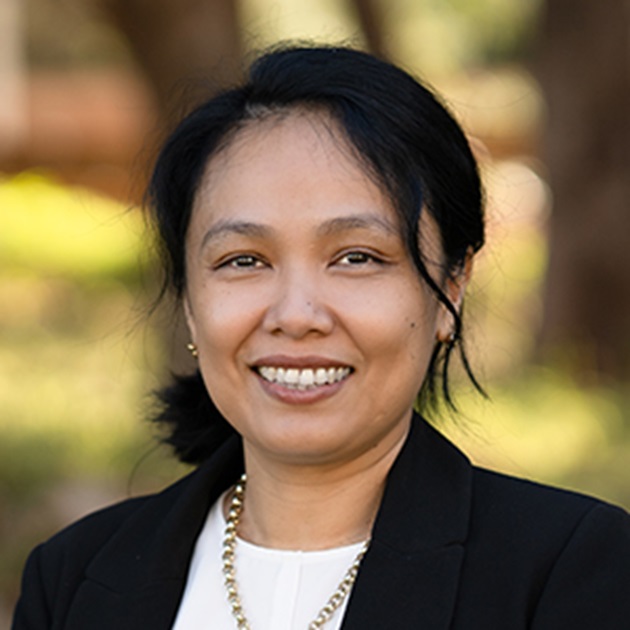
Professor Steve Wilton and Dr May Aung-Htut lead a group that focuses on developing novel therapeutic strategies to treat rare inherited or the much more common acquired human diseases by designing genetic drugs (antisense oligonucleotides.
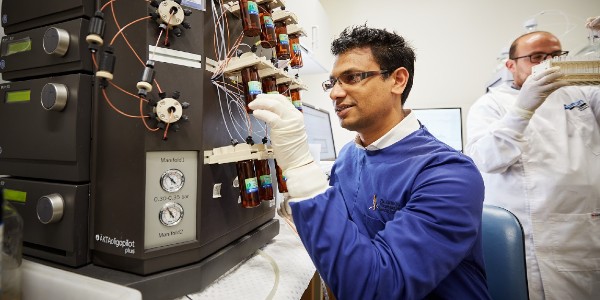
Precision Nucleic Acid Therapeutics
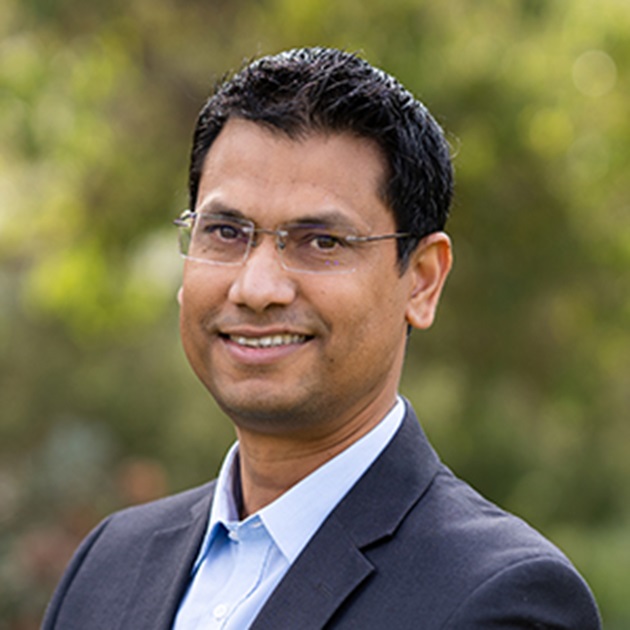
Professor Rakesh Veedu leads the development of novel therapeutic molecules that facilitate target-specific delivery of drugs or diagnostics to specific disease sites in the body.
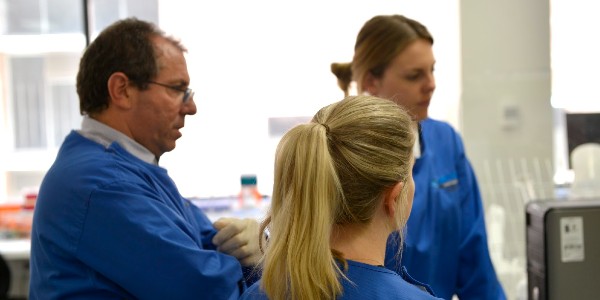
Motor Neurone Disease
Professor Anthony Akkari, Dr Loren Flynn and their team are investigating new approaches to the treatment of the fatal motor neurone disease (MND), a disease affecting 350,000 people worldwide.
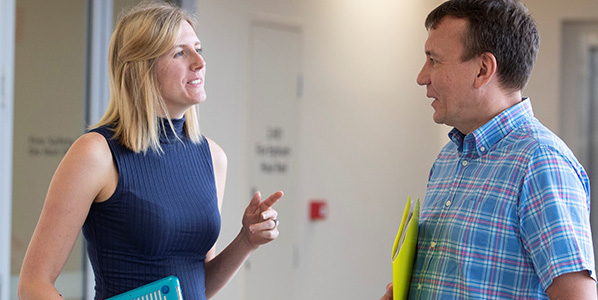
Neurodegenerative Diseases (including Parkinson's Disease)
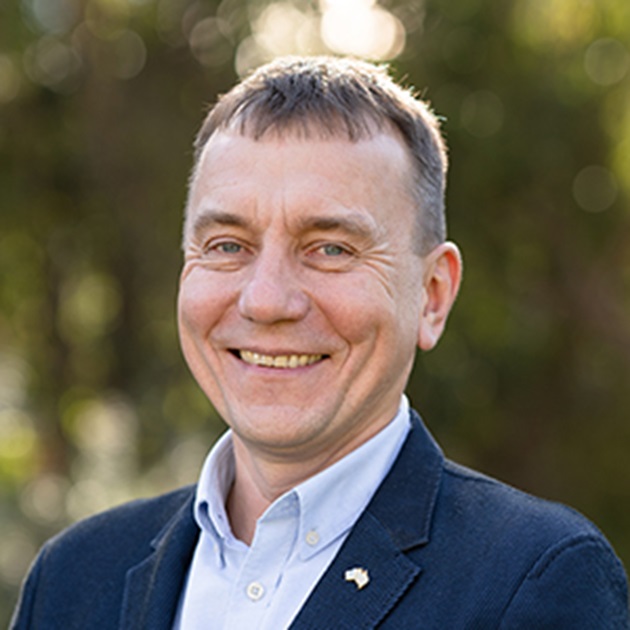
Professor Sulev Kõks and his team aim to probe the genetics and molecular pathology of Parkinson’s Disease – with the goal of improving the precision clinical management of patients.
Myositis
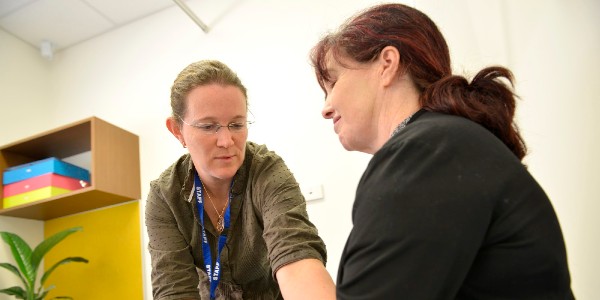
Professor Merrilee Needham and her team are investigating the treatment, genetics and immuno-pathology of immune-mediated myositis, particularly inclusion body myositis.
Oligo Therapeutics
Following the global breakthrough she and Professor Steve Wilton pioneered, developing compounds to treat Duchenne muscular dystrophy as well as a range of other rare disorders, Emeritus Professor Fletcher, Dr Ianthe Pitout and their team research into inherited blindness and neurodegenerative diseases.
Sepsis Diagnostic Research
Dr Andrew Currie leads a collaborative team of clinicians, veterinarians and medical researchers invested in finding new and better ways to diagnose, treat and prevent sepsis in newborns, adults and companion animals.
Functional Genomics
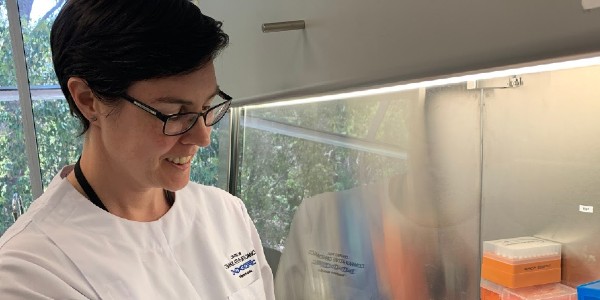
Dr Sarah Rea investigates the functional consequences of genetic changes that are associated with neurodegenerative diseases such as ALS and Dementia and aims to identify novel therapeutic strategies to combat these diseases.
Drug Hypersensitivity
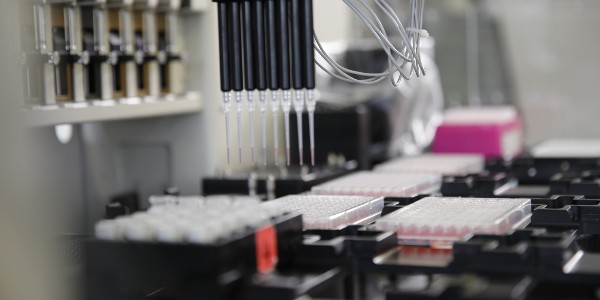
Dr Andrew Gibson and Professor Elizabeth Phillips lead immunogenomics research to identify genetic-, cellular-, and structural-risk factors that will predict and prevent life-threatening immune-mediated drug reactions.
Medical Genomics
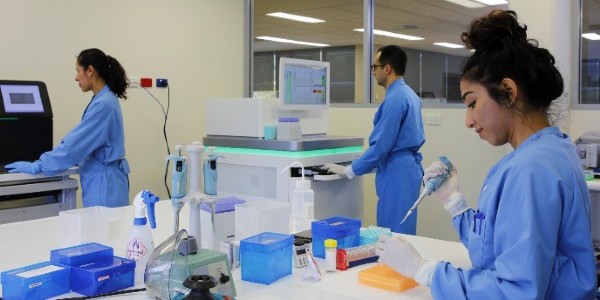
Professor Sulev Koks' team in the centres accredited, high throughput medical genomics facility supports medical and one health researchers locally and across the globe from research concept to market.
Skin Integrity
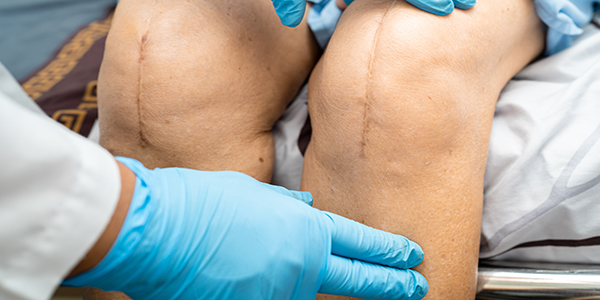
Skin Integrity Research Group led by Associate Professor Kylie Sandy-Hodgetts research focuses on the clinical prevention and early identification of surgical wound complications such as surgical site infection and surgical wound dehiscence. The programme includes Phase 1-IV clinical trials, comparative effectiveness studies, validation of diagnostic methods for identification and classification of wound infection, and the development of AI tools to predict at risk patient groups.
Clinical Exercise and Cognition
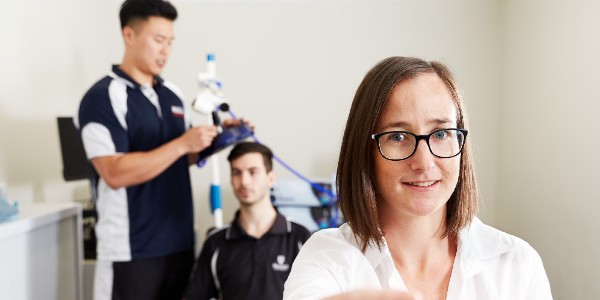
This interdisciplinary team brings expertise in biomechanics, physiology, motor control and cognition to support the development of precision exercise and rehabilitation therapies.

Economic Evaluation of Disease & Diagnostics
Associate Professor Khurshid Alam leads a group in the field of health economics and health care financing research in Murdoch where they conduct cost-effectiveness and cost-benefit analysis to examine value for money (VfM) and resource-allocation for clinical, laboratory and public health interventions.
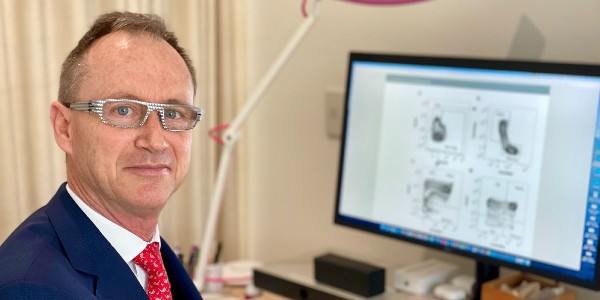
Demyelinating Diseases Group (including Multiple Sclerosis)
Clinical Professor Allan Kermode and his team explore the clinical, laboratory, radiological, and immunogentic aspects of multiple sclerosis and related disorders, which affect over 25,000 Australians.
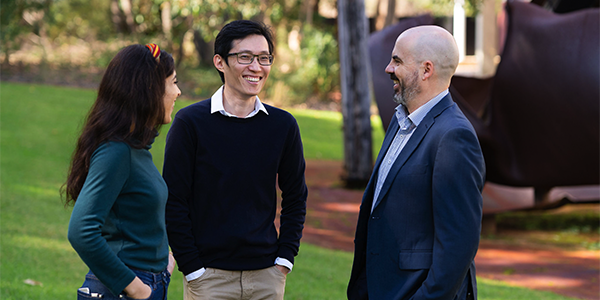
Cell-Tissue Systems Modelling
Professor Bruce Gardiner’s research uses computational and mathematical models to integrate the physical, chemical and biological processes underlying diseases such as osteoarthritis, colorectal cancer, acute kidney injury and glaucoma.
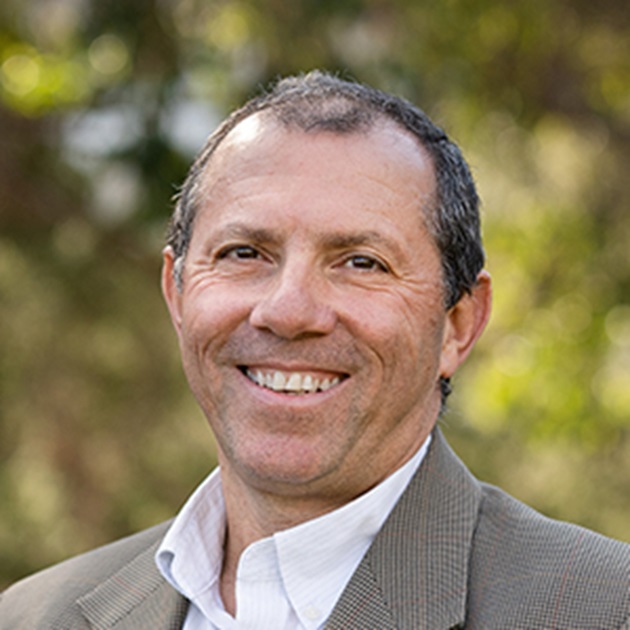
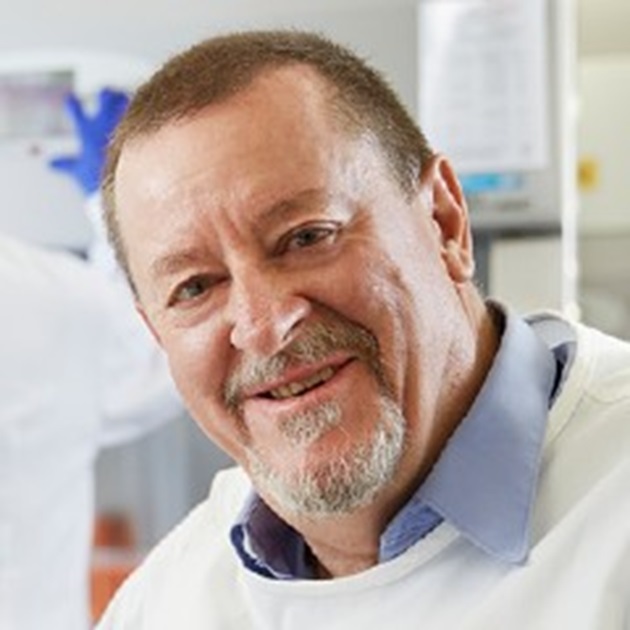
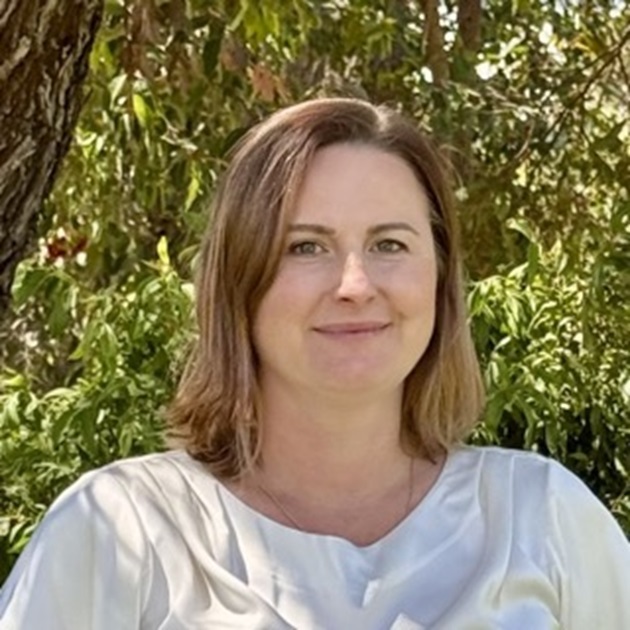
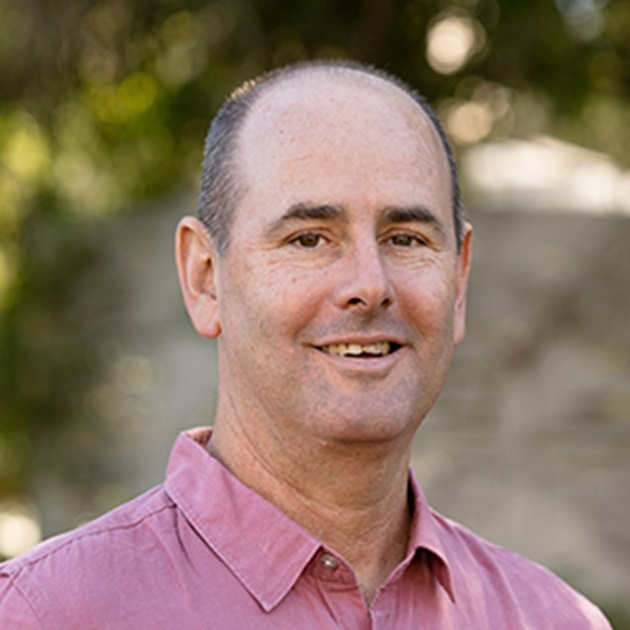
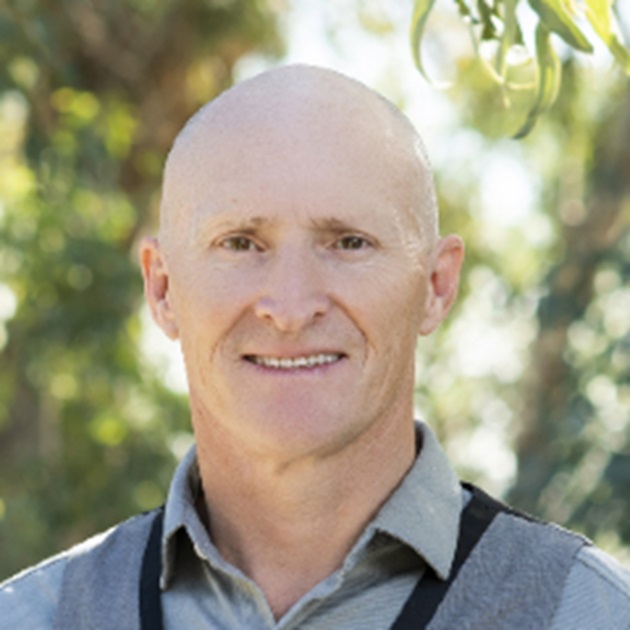
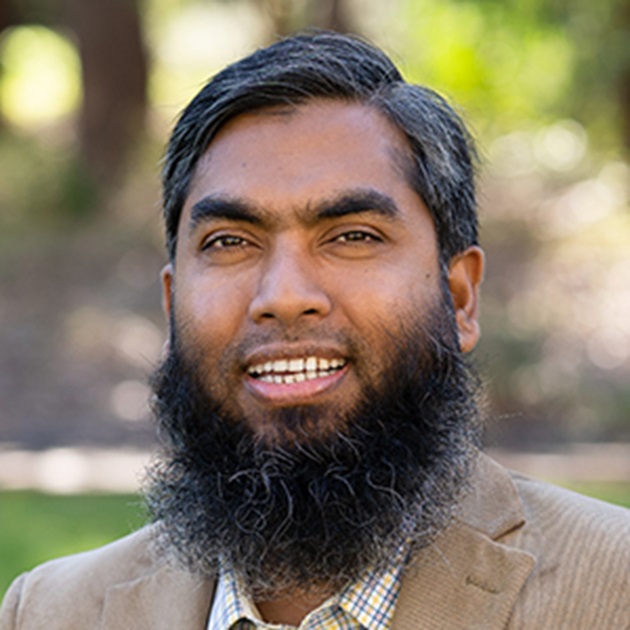
Key researchers


Latest news from the centre
Annual reports
To learn more about the centres' research, view our Annual Reports.
Please note that our Centre’s name has changed to Personalised Medicine Centre in 2025 and was previously the Centre for Molecular Medicine and Innovative Therapeutics, brochures are currently being updated.
Commercial services
The Personalised Medicine Centre offers a world-class service in the design and pre-clinical testing of antisense oligonucleotide and other nucleic acid-based therapeutics for industry and academia. To learn more about our services, contact pmc@murdoch.edu.au or see the brochure below:
Postgraduate study research opportunities
You can apply for a research degree at the Personalised Medicine Centre at any time during the year. To learn more about our research areas, supervisors, and project opportunities, contact pmc@murdoch.edu.au or see the brochure below: